
PM Burnham Considers Formal Apology for Britain's Slave Trade Role
UK Prime Minister Andy Burnham signals openness to formal apology for Britain's transatlantic slave trade involvement ahead of Commonwealth summit.
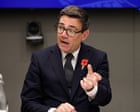
Prime Minister Signals Historic Shift on Formal Apology for Slave Trade
In a significant development ahead of the Commonwealth leaders' summit, Prime Minister Andy Burnham has indicated unprecedented willingness to consider a formal apology for slave trade, marking a notable departure from previous government positions on this deeply contentious historical issue. The UK leader's openness to discussing official state recognition of Britain's role in the transatlantic slave trade represents the strongest commitment any sitting prime minister has made toward addressing this sensitive chapter of national history.
Moving Beyond Previous Political Positions
Burnham's stance constitutes a meaningful evolution in British political discourse surrounding slavery reparations and historical accountability. While the prime minister has maintained that direct financial reparations remain off the table, his willingness to engage in dialogue about formal apology mechanisms demonstrates a recognition of legitimate grievances held by nations and communities historically affected by British involvement in the transatlantic slave trade.
The prime minister emphasized in recent statements that he remains opposed to demands for comprehensive reparations payments, positioning his government's approach as one focused on acknowledgment rather than financial compensation. However, this formal apology for slave trade represents a substantial concession to mounting pressure from Commonwealth nations and international campaign organizations advocating for greater historical reckoning.
Commonwealth Summit and Regional Concerns
As Burnham prepares to travel to the Caribbean for next week's Commonwealth leaders' gathering, expectations have intensified that slavery and historical injustice will dominate discussions. Multiple Caribbean nations have intensified calls for both formal apologies and substantive reparations frameworks in recent months, making this summit a crucial moment for international dialogue on these issues.
The prime minister's advance signaling of openness to formal apology discussions appears designed to set a constructive tone for negotiations while simultaneously managing expectations regarding financial commitments. His willingness to engage in formal talks with affected nations, individual countries, and domestic and international campaign groups suggests a more collaborative approach than previously adopted by British administrations.
Structured Dialogue Framework
Beyond the formal apology for slave trade consideration, Burnham has proposed launching a comprehensive initiative aimed at restructuring debt obligations affecting the poorest Commonwealth nations. This economic dimension of the government's response indicates an attempt to address material concerns alongside historical acknowledgment, though observers note this falls significantly short of comprehensive reparations demands.
The structured dialogue mechanism outlined by the prime minister would facilitate conversations between the British state and multiple stakeholder groups, including Caribbean governments, African nations with historical connections to the transatlantic slave trade, and grassroots organizations advocating for justice and accountability. This multilateral framework represents an effort to transform what has historically been bilateral grievance discussions into a more inclusive international conversation.
Historical Context and Political Evolution
Britain's participation in the transatlantic slave trade, which fundamentally shaped the colonial economy and global power structures of the seventeenth through nineteenth centuries, remains a subject of profound historical significance. The formal apology for slave trade, should it materialize, would acknowledge documented participation in systems that forcibly transported millions of African people across oceanic passages and subjected them to brutal enslavement across British colonies.
Previous British administrations have generally resisted formal apologies, arguing that contemporary governments cannot bear responsibility for historical actions. Burnham's emerging position suggests recognition that acknowledgment carries symbolic and diplomatic value that may facilitate broader Commonwealth cohesion and address long-standing international concerns regarding historical justice.
Future Implications and Ongoing Debate
While the formal apology for slave trade represents meaningful progress in British political discourse, the distinction between apology and reparations remains contentious. Critics argue that acknowledgment without material restitution provides insufficient redress for centuries of exploitation and persistent economic inequalities traceable to historical slavery systems.
The coming weeks will reveal whether Burnham's openness to formal apology discussions translates into concrete governmental commitments at the Commonwealth summit and beyond. International observers and affected communities continue monitoring whether British political evolution on this issue will expand beyond apology considerations to include more substantive measures addressing historical injustices.